If you want to start collecting Pokémon cards in 2026, you’re not alone. Pokémon collecting is one of those hobbies that’s easy to begin… and very easy to go overboard with. Between new releases, shiny pull videos, and “must-have” chase cards, beginners often end up buying random packs without a plan, then wondering why their binder looks messy and their wallet looks empty.
This guide is here to make it simple. You’ll learn what to buy first, how to understand rarities, how to store cards properly, and how to avoid fakes—plus a realistic way to think about value and grading in the UK (including the latest grading/logistics updates that matter to UK collectors).
And if you’re shopping as you read, you can browse what we’ve got in one place: Collectibles & Toys: Shop All.
1) Pick your “collector type” first (it changes what you buy)
Before you buy a single pack, decide what kind of collector you are. This one choice stops most beginner regret.
The four most common beginner paths
-
Binder collector: You want a neat set in a folder (often “one of every card”).
-
Chase collector: You’re hunting specific favourites—Charizard types, illustration rares, Pikachu variants, etc.
-
Player + collector: You want to play and collect, so you’ll care about decks and consistency.
-
Nostalgia collector: You love the characters and art, and want a collection that feels personal.
Why this matters:
If you’re a binder collector, you’ll do best with products that give lots of variety. If you’re a chase collector, you’ll eventually want to buy singles instead of endlessly opening packs. If you plan to play, you’ll spend more on a few usable cards than on random pulls.
A beginner-friendly rule that actually works
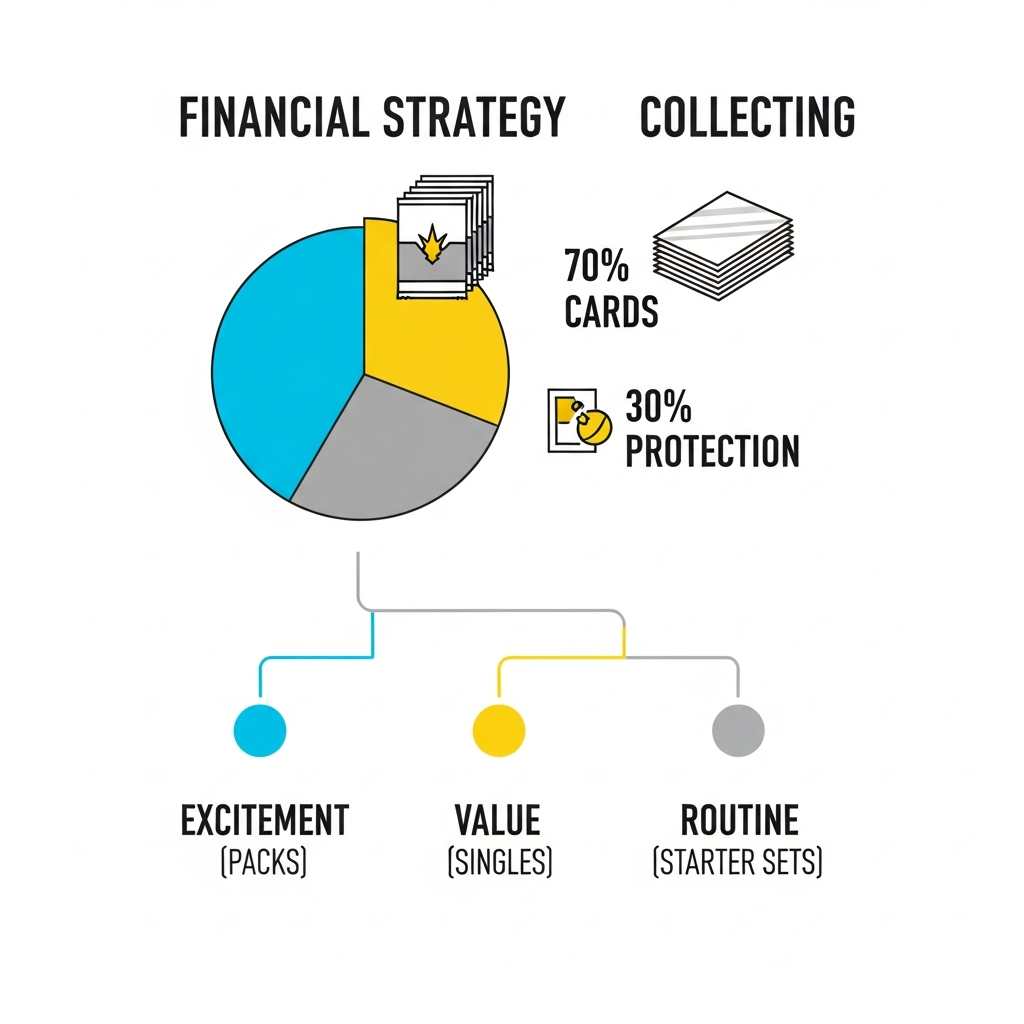
Set a monthly budget, then split it:
-
70% on cards (packs/boxes or singles)
-
30% on protection (sleeves, binder pages, storage)
Protection feels boring—until your favourite pull gets scratched.
2) What to buy first (packs, boxes, or singles?)
This is the part beginners overthink. Here’s the truth: there’s no “best” product—only the best one for your goal.
If you want the most excitement: booster packs / booster boxes
Opening packs is fun and social. If you want that “big gift” feeling or a proper opening session, a booster box is hard to beat.
A popular style of purchase is a sealed booster box like Japanese Pokémon Scarlet EX Booster Box w1S. It’s a great “one and done” treat because you get loads of packs in one go, and it feels properly collectible.
If you want value and control: buy singles
Once you know your favourite Pokémon or art style, singles stop you spending £100+ chasing one card. You can still open packs for fun—just don’t make packs your only strategy.
If you’re buying for a child: start small and make it routine
A couple of packs now and then (plus a binder) often beats one huge haul. Kids love seeing a binder fill up.
Quick starter shopping list
-
A few booster packs (or a box if it’s a big occasion)
-
A binder and sleeves
-
A small storage box so cards don’t live loose in drawers
Shop starters and packs here: Collectibles & Toys: Shop All.
3) Learn rarities fast (so you know what you’re looking at)
Pokémon cards look like a wall of information when you’re new—set numbers, symbols, foiling, weird names like “Illustration Rare”. The good news: you only need a few basics.
The classic rarity symbols
Most sets still use simple symbols to show rarity—circle (common), diamond (uncommon), star (rare)—printed near the set number.
Modern “special” rarities (why some cards look like mini paintings)
Recent eras have expanded collector-focused rarities (full arts, illustration-style cards, special illustration treatments, and more). Even if you don’t memorise every label, you can usually spot “special” cards because:
-
The artwork covers more of the card (sometimes edge-to-edge)
-
The texture/foil looks different
-
The set number may look unusual compared to regular cards
Use official tools when you’re unsure
If you pull a card and don’t know what it is, Pokémon has an official TCG Card Database you can search by name, expansion, and more.
Beginner tip: Don’t fall into the trap of thinking “shiny = expensive”. Some foils are common; some non-foils can be valuable.
4) Protect your cards properly (and avoid fake cards)
If you’re collecting long-term, condition matters. A small scuff can turn a “nice pull” into a “binder-only” card.
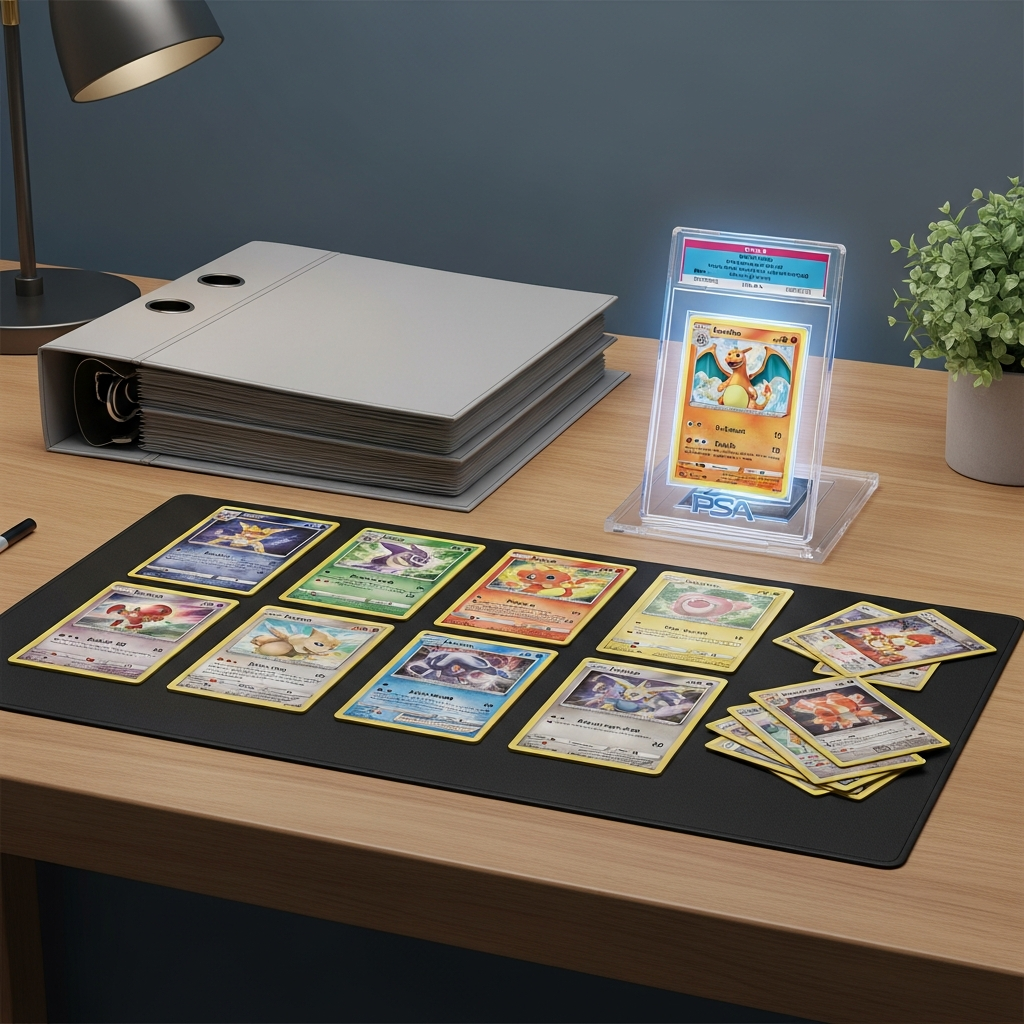
The simple protection setup
-
Sleeves for anything you like (yes, even “not rare” favourites)
-
Top loaders (rigid sleeves) for your best pulls
-
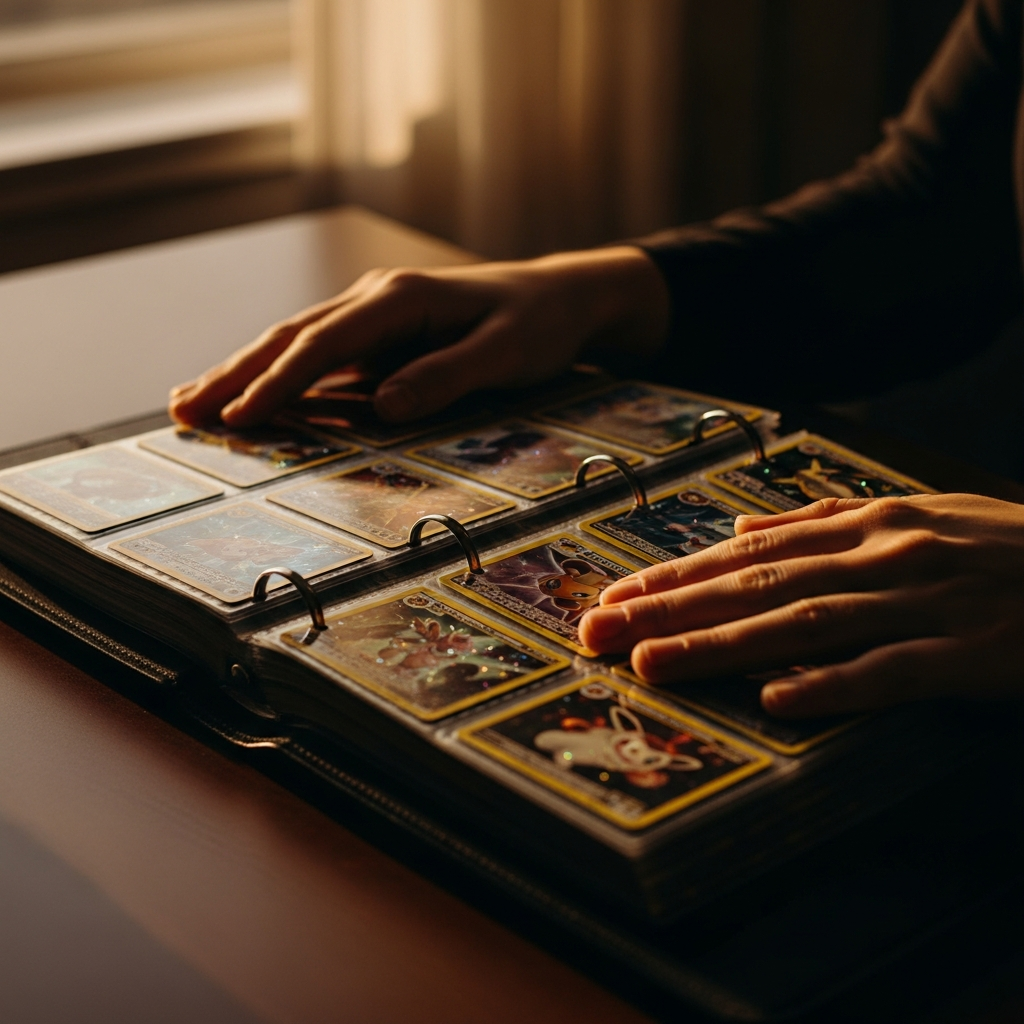
Binder with side-loading pages to reduce edge damage
-
Storage box so cards aren’t bent in a backpack
Spotting fake Pokémon cards (especially important in 2026)
Fakes are still a problem, especially through marketplaces and too-good-to-be-true listings. A recent guide highlights telltale signs like odd pack sealing/feel and inconsistent printing/finishes.
Red flags beginners can actually use
-
Colours look “off” (too washed out or too dark)
-
Text looks blurry or the font feels wrong
-
Foil looks like a cheap sticker sheen
-
Packs feel unusually loose, wavy, or oddly sealed
Best practice: buy sealed products from reputable UK retailers and keep receipts for higher-value items.
5) Value, pricing, and grading in the UK in 2026
It’s normal to wonder: “Is this card worth anything?” Just remember—Pokémon collecting is best when value is a bonus, not the whole point.
Use reliable price references (not hype posts)
If you’re checking graded card values, PSA maintains an official price guide for PSA-certified items. It’s useful as a reference point (especially when comparing recent sales ranges).
Grading in 2026: what UK collectors should know
Grading logistics have been a moving target for international collectors. PSA previously highlighted issues around cross-border submissions and costs, which is why UK-friendly submission routes matter.
The big UK-relevant update: PSA announced a London-area receiving centre expansion planned for 2026, intended to simplify submissions and reduce customs-related friction for UK collectors.
Beginner grading rule: Only grade cards you genuinely want to keep long-term or that you’ve confirmed have enough value in high condition to justify the fees.
6) Join the UK community (the fastest way to learn)
You can collect solo, but Pokémon gets way more fun when you’ve got people to trade with and events to attend.
Find local leagues and tournaments
The official Play! Pokémon site lets you use an Event Locator to find local Pokémon tournaments and meetups.
This is especially helpful for parents—local events are often friendly, structured, and great for learning rules properly.
Why community helps beginners
-
You learn what products are actually good (and what’s just loud marketing)
-
Trading teaches you value in a practical way
-
You’ll discover what you personally enjoy: opening, binder-building, playing, or chasing art
And if you’re the “helpful adult” in the hobby: a simple binder + a handful of packs + one local league visit can turn “random cards” into a proper, confident collecting routine.
To start collecting Pokémon cards in 2026, you don’t need expert knowledge—you need a simple plan. Choose your collector style, buy the right product type (packs for fun, singles for control), learn the basic rarity cues, and protect your cards from day one. If you decide to explore grading, keep an eye on UK-friendly submission options as they evolve in 2026. Ready to begin? Explore our Collectibles & Toys: Shop All to find Pokémon boosters and collector essentials—and if you’re comparing hobbies, you might also like Pokémon vs Lorcana vs Magic: Which TCG? UK or our gift guide Top 10 Gifts for Pokémon Fans & Anime Lovers UK.